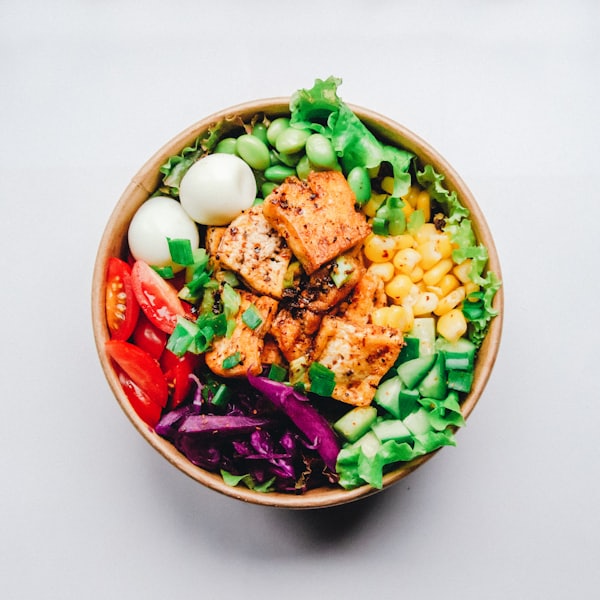
Grilled Chicken & Quinoa Bowl
Key nutrients: lean protein, fibre, iron, B-vitamins.
Combine 150 g grilled chicken breast (sliced) with 130 g cooked quinoa, 80 g steamed broccoli, half an avocado and a handful of cherry tomatoes. Dress with 1 tbsp extra-virgin olive oil and lemon juice. Season with salt and pepper to taste.
Approximate energy: 2 100 kJ (500 kcal) per serve.
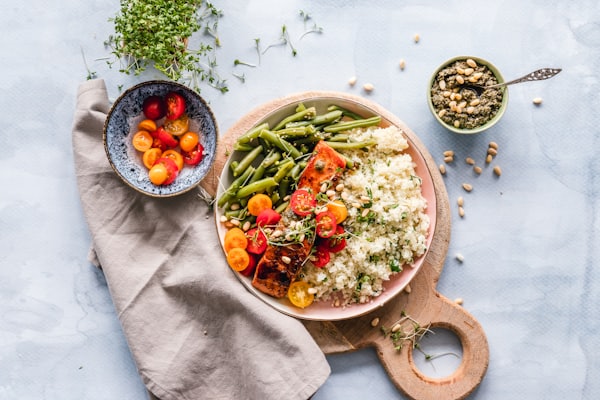
Vegetable & Tofu Stir-Fry
Key nutrients: plant-based protein, vitamin C, folate.
Press and cube 200 g firm tofu. Stir-fry in 1 tbsp sesame oil with sliced capsicum, snap peas, carrots and mushrooms. Add 1 tbsp low-sodium soy sauce and serve over 140 g cooked brown rice.
Approximate energy: 1 900 kJ (450 kcal) per serve.
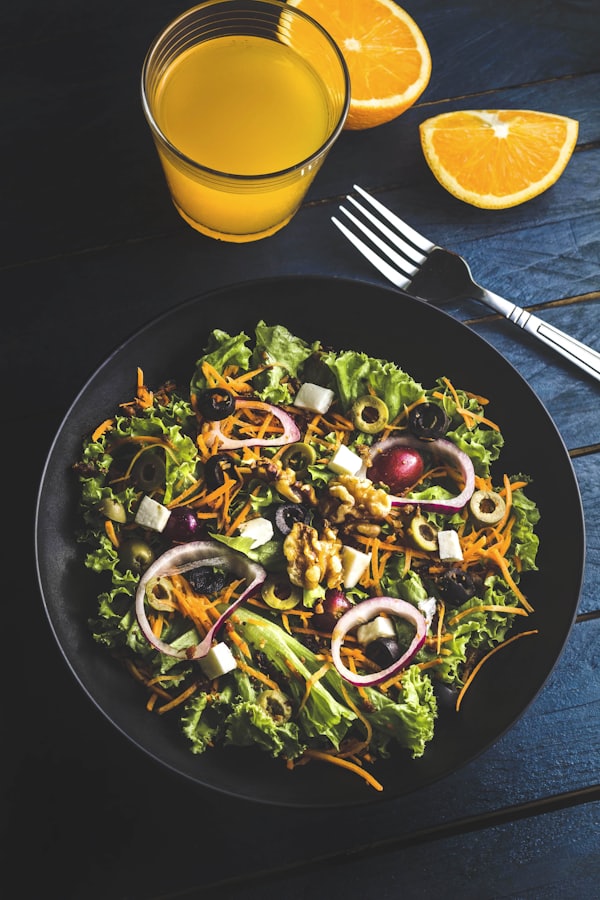
Salmon & Sweet Potato Tray Bake
Key nutrients: omega-3 fatty acids, vitamin A, potassium.
Place 2 salmon fillets on a lined tray with cubed sweet potato, zucchini and red onion. Drizzle with olive oil, season with paprika, garlic and thyme. Bake at 200 °C for 22–25 minutes.
Approximate energy: 2 300 kJ (550 kcal) per serve.