Choosing the right equipment depends on your fitness goals, experience level, available space and budget. Below is a factual summary of commonly used training tools. We do not endorse specific brands — this information is intended to help you understand what each piece of equipment does.

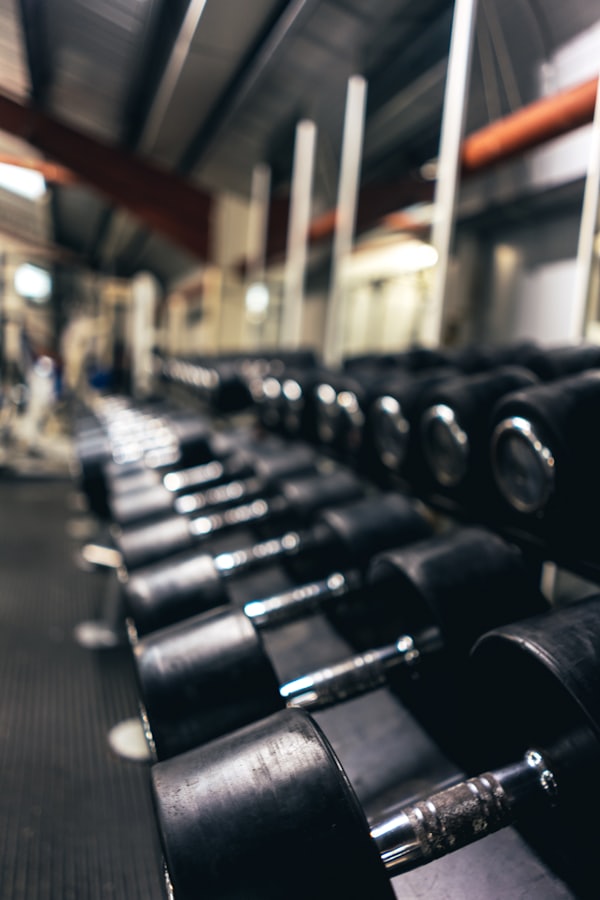
Dumbbells

Purpose: Versatile free weights used for a wide range of strength exercises targeting the upper body, lower body and core.

Suitable for: All experience levels. Beginners can start with lighter weights (2–5 kg) and progress gradually.

Key considerations: Available in fixed-weight and adjustable formats. Adjustable dumbbells save space for home gyms. Proper form is important — avoid swinging or jerking movements. Hexagonal designs prevent rolling on the floor.

Set of dumbbells on a rack

Resistance Bands

Purpose: Elastic bands that provide variable resistance. Used for strength training, rehabilitation exercises and mobility work.

Suitable for: All levels. Particularly useful for beginners, rehabilitation programmes and travel-friendly training.

Key considerations: Available in different resistance levels (typically colour-coded). They are inexpensive and take up minimal space. Inspect bands regularly for signs of wear to prevent snapping during use.

Person using resistance bands during workout

Additional Equipment Overview

Barbells & Weight Plates

Standard barbells weigh 20 kg (Olympic) or 15 kg (women's Olympic). They allow heavier loading than dumbbells and are used for compound movements such as squats, deadlifts and bench press. A power rack or squat stand with safety bars is recommended for solo training with barbells.

Kettlebells

Cast-iron weights with a handle. Commonly used for dynamic exercises (swings, cleans, snatches) that develop strength and cardiovascular fitness simultaneously. Starting weights typically range from 8 kg to 16 kg for beginners. Proper instruction is recommended before performing ballistic kettlebell movements.

Pull-Up Bar

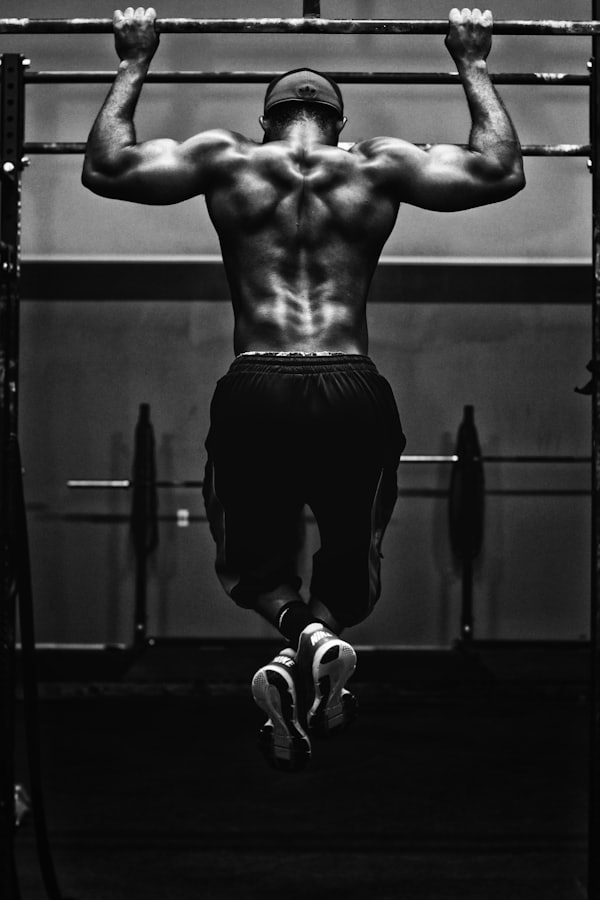
A horizontal bar mounted in a doorframe or on a stand. Pull-ups and chin-ups are effective bodyweight exercises for the upper back, biceps and grip strength. Doorframe-mounted versions are affordable but should be checked for compatibility with your doorframe dimensions and weight capacity.

Exercise Mat

Provides cushioning for floor-based exercises (stretching, yoga, core work). Look for mats that are at least 6 mm thick for adequate joint protection. Non-slip surfaces improve safety.

Cardio Equipment (Treadmill, Stationary Bike, Rowing Machine)

These machines offer structured cardiovascular training indoors. Consider available space, noise levels and maintenance requirements before purchasing. Many community gyms and recreation centres provide access to cardio machines without the need for a personal purchase.
Before You Buy

NourishAU does not sell equipment or receive commissions. This information is provided for educational purposes only.

Equipment information is for general guidance only. Always follow manufacturer instructions and consult a fitness professional for personalised advice.