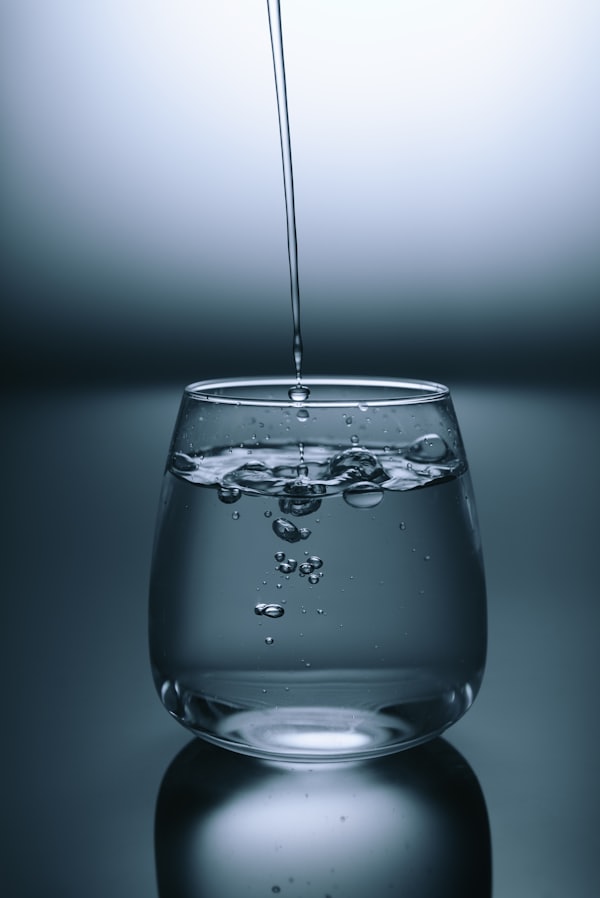
Why Hydration Matters
Water comprises approximately 60 % of adult body weight and is essential for temperature regulation, nutrient transport, joint lubrication and waste removal. Even mild dehydration (1–2 % body-weight loss through fluid) can affect concentration, physical performance and mood.
Australia's climate — particularly during summer — increases fluid losses through sweat. People who exercise outdoors, work in hot environments or live in tropical and arid regions may need more fluid than general population averages suggest.
General Fluid Guidelines
The National Health and Medical Research Council (NHMRC) provides the following Adequate Intake (AI) values for total water from all sources (food and beverages) per day:
- Adult men: approximately 2.6 L per day (about 10 cups of fluids).
- Adult women: approximately 2.1 L per day (about 8 cups of fluids).
These are general reference values. Actual needs depend on body size, activity level, climate and individual health conditions. Thirst is generally a reliable indicator for most healthy adults, though older adults may experience reduced thirst sensation.
Electrolyte Balance
Electrolytes — sodium, potassium, magnesium, calcium — play critical roles in muscle function, nerve signalling and fluid balance. Under normal dietary conditions, a balanced diet provides adequate electrolytes. During prolonged or intense exercise (over 60–90 minutes), especially in heat, electrolyte losses through sweat may warrant consideration of an electrolyte-containing drink.
There is no need to consume specialised electrolyte supplements during routine daily activity or light exercise. Over-consumption of sodium through supplements or sports drinks when not required can be counterproductive.