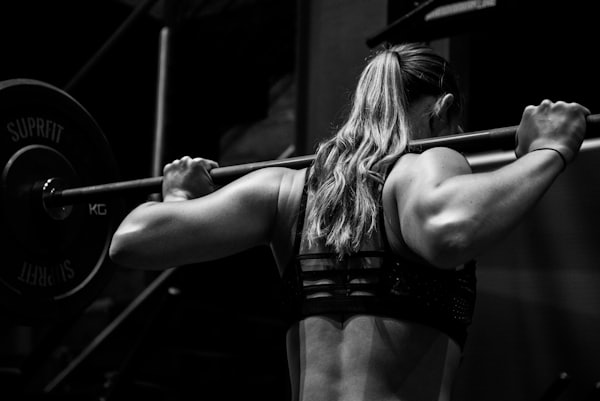
Practical guides for strength, cardiovascular and flexibility training — with attention to correct form.
Physical activity is an important component of overall health. The Australian Department of Health recommends adults accumulate 150–300 minutes of moderate-intensity activity per week, or 75–150 minutes of vigorous activity. The exercises below cover common training modalities. Always warm up before exercising and consult a health professional if you have pre-existing conditions.
Category: Compound strength · Lower body
Primary muscles: Quadriceps, glutes, hamstrings, core stabilisers.
Safety note: Begin with a lighter weight to practise form. Use a squat rack with safety bars when training alone.
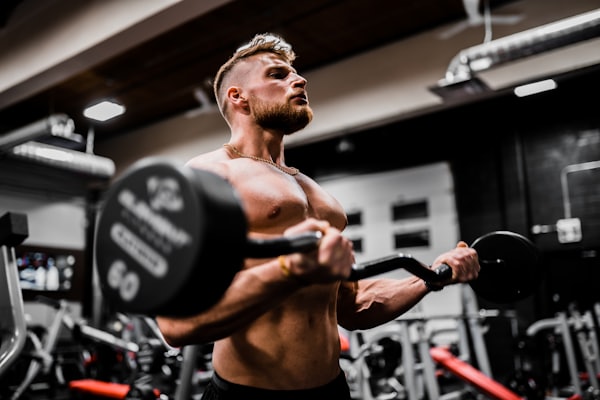
Category: Bodyweight strength · Upper body
Primary muscles: Pectorals, anterior deltoids, triceps, core.
Modification: Perform on your knees or against an elevated surface to reduce the load if a full push-up is too challenging.
Category: Cardiovascular · Aerobic
Primary benefits: Cardiovascular health, mood regulation, body-composition maintenance.
Note: Walking is a valid form of exercise at any fitness level. There is no requirement to run to achieve health benefits.
Individual responses to exercise vary. If you experience persistent pain during or after exercise, seek assessment from a physiotherapist or exercise physiologist.